
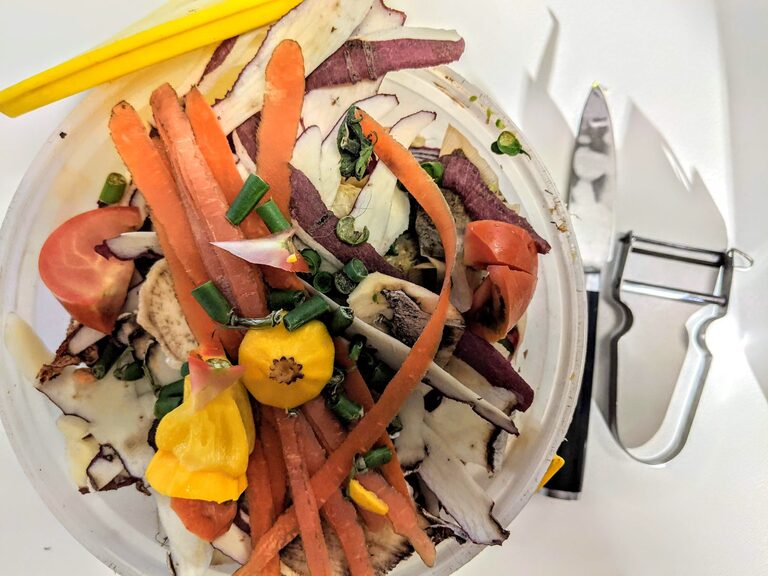
Reducing food waste at home is a positive step toward a more sustainable lifestyle. Not only does it help the environment by lowering greenhouse gas emissions, but it also saves money and resources. With a few practical habits and mindful planning, anyone can make a meaningful difference. Here are some straightforward ways to reduce food waste right in your kitchen.
Why Reducing Food Waste Matters
Food waste is a global concern. When food is thrown away, all the energy, water, and effort used to produce it is lost. Additionally, food decomposing in landfills produces methane, a potent greenhouse gas. By cutting down on food waste, households contribute to environmental protection and reduce their grocery bills.
Plan Your Meals and Shop Smartly
Make a Weekly Meal Plan
Creating a meal plan for the week helps you buy only what you need. Consider your schedule, family preferences, and upcoming events when planning. This reduces impulse buys and ensures that food is used efficiently.
Shop with a List
Before heading to the store, write a detailed shopping list based on your meal plan. Stick to it to avoid buying extra items that might go unused.
Buy Smaller Quantities
If certain perishable items tend to spoil before you use them, try buying smaller portions or buying frequently in smaller amounts instead of bulk.
Store Food Properly
Understand Storage Guidelines
Different foods require different storage methods to stay fresh longer. For example:
– Store leafy greens in the fridge’s crisper drawer wrapped in a damp cloth.
– Keep bread in a cool, dry place or freeze it for longer storage.
– Store fruits like apples separately, as some emit ethylene gas which can speed up ripening.
Use Airtight Containers
Keep leftovers and opened packages sealed in airtight containers to maintain freshness and prevent spoilage.
Use Leftovers Creatively
Repurpose Meals
Transform leftovers into new dishes. For example, roast chicken can become chicken salad, stir-fries, or soup.
Freeze Excess Food
If you can’t eat leftovers within a day or two, freezing them extends their shelf life and reduces waste.
Track Expiration Dates
Organize your fridge and pantry so that older items are in front and used first. This practice, known as “first in, first out,” helps prevent spoilage.
Practice Portion Control
Serve Smaller Portions
Start with smaller servings on your plate. You can always take more if you’re still hungry. This avoids uneaten food being thrown away.
Understand Your Appetite
Being mindful about your hunger levels and avoiding overeating also reduces food waste.
Compost Food Scraps
Separate Compostable Waste
Collect fruit peels, vegetable scraps, coffee grounds, and eggshells to compost instead of sending them to landfill.
Start a Home Compost Bin
If you have space, start a compost bin in your yard. Compost enriches garden soil and reduces waste.
Educate and Involve Your Family
Share Waste-Reducing Habits
Encourage everyone in the household to be conscious about food usage and waste.
Make It a Fun Activity
Turn meal planning, cooking, and composting into shared family activities to build good habits.
Additional Tips
– Use apps that help track food inventory and suggest recipes based on what you have.
– Donate unused non-perishable food to local food banks.
– Avoid confusing “best before” dates with safety dates; many foods are safe to eat after these dates.
Reducing food waste at home is achievable with small, consistent steps. By planning ahead, storing food properly, using leftovers, and involving your household, you can make a positive impact on your wallet and the planet. Start with one or two strategies and build from there—every bit helps!