
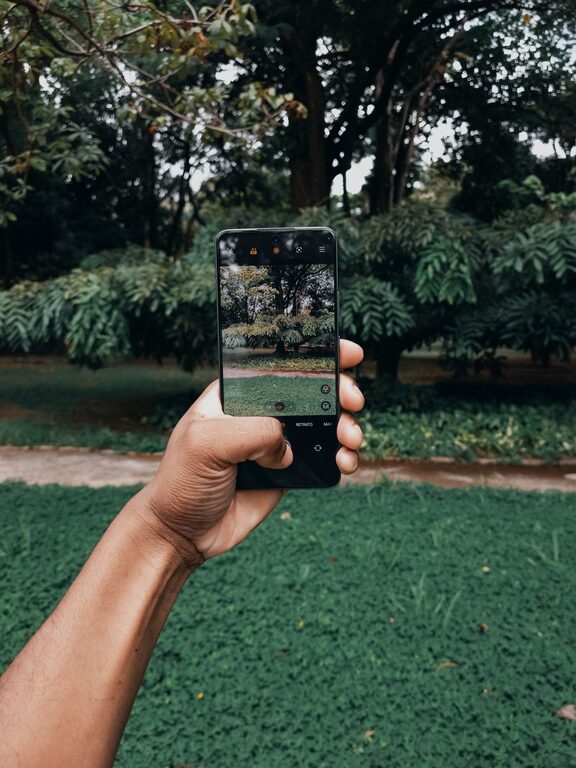
Taking great photos with your phone is easier than you might think. With the advances in smartphone camera technology, anyone can capture beautiful images with just a few simple tips. Whether you’re new to photography or just want to get more out of your phone’s camera, these beginner tips will help you take better photos and make the most of your device.
Understand Your Phone’s Camera Features
Before you start snapping photos, spend some time exploring your phone’s camera app. Most smartphones come with a variety of features that can enhance your photos:
– Focus and Exposure: Tap on the screen to focus on your subject. You can usually adjust exposure (brightness) by sliding your finger up or down.
– HDR Mode: High Dynamic Range (HDR) helps balance bright and dark areas in your photo, especially useful for landscapes or high-contrast scenes.
– Grid Lines: Enable grid lines to help compose your shots using the “rule of thirds” for balanced and interesting photos.
– Camera Modes: Experiment with different modes like portrait, night, or panorama to capture various scenes effectively.
Keep Your Lens Clean
A simple but often overlooked tip is to clean your phone’s camera lens regularly. Fingerprints, dust, and smudges can blur your photos and reduce overall image quality. Use a soft microfiber cloth to gently wipe the lens before taking pictures.
Find Good Lighting
Lighting plays a crucial role in photography, even on smartphones. Here’s how to use light to your advantage:
– Natural Light is Best: Whenever possible, use natural light instead of the flash. Shoot near windows or outdoors during the early morning or late afternoon for soft, warm light.
– Avoid Harsh Sunlight: Direct midday sun can create strong shadows and washed-out highlights. If you must shoot in bright sunlight, try to find some shade.
– Use Shadows Creatively: Shadows can add depth and interest to your photos. Look for unique patterns or shapes created by shadows.
Compose Your Shot Thoughtfully
Good composition makes your photos more engaging. Here are some beginner-friendly composition tips:
– Rule of Thirds: Imagine your frame divided into nine equal parts by two vertical and two horizontal lines. Place your subject along these lines or where they intersect.
– Fill the Frame: Get closer to your subject to eliminate distractions and emphasize important details.
– Leading Lines: Use natural lines like roads, fences, or rivers to guide the viewer’s eye through the photo.
– Symmetry and Patterns: Capture balanced, symmetrical scenes or repetitive patterns to create visually appealing photos.
Keep Your Phone Steady
Blurry photos often happen because of shaky hands. To avoid this:
– Hold your phone with both hands and keep your elbows close to your body.
– Rest your phone on a steady surface when possible.
– Use a small tripod or phone stand for added stability, especially in low light.
Experiment with Angles and Perspectives
Don’t just shoot from eye level. Try different angles to make your photos stand out:
– Shoot from a low angle looking up to make subjects appear larger.
– Take overhead shots for flat lays or creative compositions.
– Capture reflections in water, mirrors, or windows for interesting effects.
Edit Your Photos
Editing can enhance your images without needing professional software. Most smartphones come with built-in editing tools that allow you to:
– Adjust brightness, contrast, and saturation.
– Crop and straighten your photos.
– Apply filters carefully to enhance mood without overdoing it.
There are also plenty of free photo editing apps available, such as Snapseed, VSCO, or Lightroom Mobile, which offer more advanced editing options.
Practice Regularly
Photography is a skill that improves with practice. Try to take photos daily or whenever you have free time. Challenge yourself to shoot different subjects like nature, people, architecture, or food. Review your photos and think about what worked well and what could be improved.
Summary
Taking better phone photos doesn’t require expensive equipment or advanced skills. By understanding your camera’s features, paying attention to lighting and composition, keeping your phone steady, experimenting with angles, and practicing regularly, you can capture stunning images that you’ll be proud to share. Enjoy the process and have fun exploring the world through your phone’s camera!