
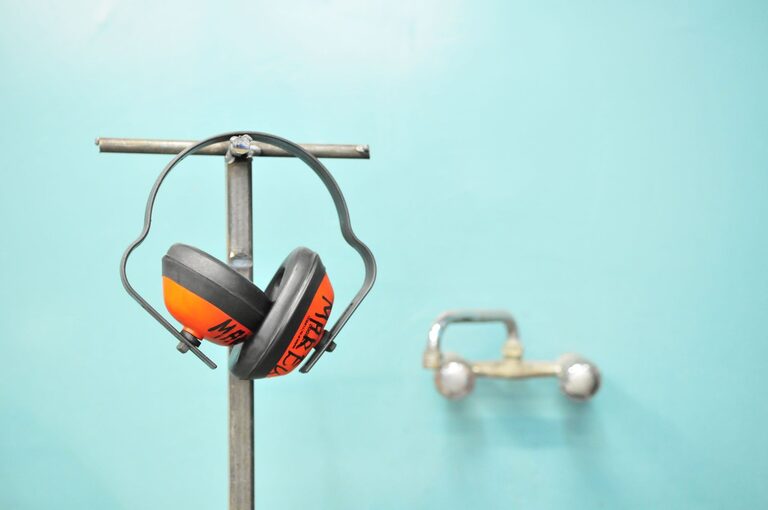
Creating a quiet and peaceful home environment is important for relaxation, concentration, and overall well-being. Whether you live in a busy city or a noisy neighborhood, there are several simple ways to reduce unwanted noise inside your home. From rearranging furniture to adding sound-absorbing materials, these practical tips can help you enjoy a more serene space.
Understanding Noise Sources at Home
Before diving into solutions, it’s helpful to identify the types and sources of noise in your home. Common noises include:
– Traffic sounds from outside
– Loud neighbors or street activity
– Household appliances and electronics
– Footsteps or voices from other rooms
– Plumbing or HVAC system sounds
Once you know what causes the noise, you can select the most effective methods to reduce it.
Easy Ways to Minimize Noise Indoors
1. Use Soft Furnishings to Absorb Sound
Hard surfaces reflect sound waves, making a room feel louder. Adding soft furnishings can absorb noise and reduce echo.
– Rugs and Carpets: Place thick rugs or carpets on floors, especially on hard surfaces like wood or tile.
– Curtains and Drapes: Use heavy, dense curtains over windows to block outside noise and dampen indoor sound.
– Cushions and Upholstery: Softer sofas, armchairs, and lots of pillows help absorb sound.
2. Rearrange Furniture Strategically
Furniture can act as a barrier to sound transmission.
– Move large bookshelves or wardrobes against walls that face noisy streets or neighbors.
– Place seating areas away from shared walls.
– Fill empty spaces with bulky furniture which reduces sound travel.
3. Seal Gaps and Cracks
Noise can seep in through small gaps around windows, doors, and walls.
– Use weatherstripping tape around door frames.
– Apply acoustic caulk to seal cracks in walls and around windows.
– Install door sweeps at the bottom of doors to block sound.
4. Add Soundproofing Materials
For more effective noise control, consider adding soundproofing materials such as:
– Acoustic Panels: These can be mounted on walls or ceilings to absorb sound.
– Soundproof Foam: Popular for home offices or entertainment rooms, foam panels reduce echo.
– Mass Loaded Vinyl (MLV): A dense material that can be applied behind drywall or under flooring to block noise.
5. Use White Noise Machines
If you cannot completely eliminate noise, masking it with gentle, consistent sounds can make it less disruptive.
– White noise machines produce soothing sounds like rain, waves, or static.
– Fans or air purifiers also create background noise that helps drown out sudden sounds.
6. Maintain Appliances and Plumbing
Noisy appliances and plumbing can add to the overall noise level at home.
– Regularly service HVAC systems to reduce rattling or humming.
– Check water pipes for loose fittings or vibrations.
– Place washing machines or refrigerators on vibration pads.
Outdoor Noise Reduction Tips
If outdoor noise is a problem, there are simple steps to reduce its impact indoors.
1. Plant Trees and Shrubs
Dense vegetation near windows can help block noise from roads or neighbors.
– Plant evergreen trees or thick shrubs for year-round sound buffering.
– Use trellises with climbing plants to create green noise barriers.
2. Install Double-Glazed Windows
Upgrading to double or triple-pane windows improves insulation against noise and temperature.
– These windows have multiple layers of glass with air gaps that reduce sound transmission.
– They can be a worthwhile investment for long-term noise reduction.
3. Use Outdoor Fencing
Solid fences made of wood, vinyl, or composite materials can block some outdoor sounds.
– Higher fences are more effective at reducing noise.
– Consider adding sound-absorbing panels to fences for extra benefit.
Creating a Quiet Zone in Your Home
Designating a quiet room or corner can provide a retreat when you need calm.
– Choose a room with fewer windows and doors facing noisy areas.
– Use sound-absorbing materials and soft furnishings liberally.
– Keep electronics and appliances to a minimum in this space.
Final Tips for a Quieter Home
– Regularly declutter to reduce reflective surfaces.
– Close doors to noisy rooms.
– Use rugs even in small areas like hallways.
– Communicate with neighbors if noise issues persist.
With these simple and cost-effective tips, you can significantly reduce noise pollution in your home. A quieter living space promotes better sleep, concentration, and overall quality of life. Start with small changes and enjoy the peaceful atmosphere they bring.