A dark room can often feel cramped, gloomy, and uninviting. Whether it’s a basement, a room with small windows, or simply a space where natural light struggles to reach, brightening your dark room can breathe new life into your home. Fortunately, you don’t need major renovations or expensive equipment to make a difference. With some clever decorating ideas, thoughtful lighting, and a few smart choices, you can turn any dark room into a bright and welcoming space.
Why Brighten a Dark Room?
Before diving into ideas, it’s helpful to understand the benefits of brightening a dark room. A well-lit and airy room:
– Makes the space feel larger and open
– Boosts mood and energy
– Enhances the appearance of your furniture and décor
– Creates a more inviting atmosphere for guests and family
Now, let’s explore practical ways to brighten your room quickly and affordably.
1. Maximize Natural Light
Clean and Uncover Windows
Sometimes, the simplest fix is cleaning your windows both inside and out. Dirt and grime can significantly reduce how much light enters a room. Also, make sure there’s nothing obstructing the windows such as heavy curtains or furniture.
Use Sheer or Light Curtains
Replace thick or dark drapes with sheer, light-colored curtains that allow sunlight to filter through. White or pastel fabrics work best to soften the light while keeping privacy.
Add Mirrors to Reflect Light
Strategically placing mirrors across from or adjacent to windows can double the effect of natural light by reflecting it throughout the room. Large or decorative mirrors add both brightness and style.
2. Choose Light Colors for Walls and Ceiling
Opt for Bright, Neutral Paint Colors
Walls painted in white, cream, soft beige, or pastels reflect more light compared to dark hues. When painting, don’t forget the ceiling — a white or off-white ceiling can prevent the room from feeling closed in.
Accent with Light-Colored Decor
Besides walls, incorporate light shades in your rugs, furniture, and accessories. Light colors create an airy feel and prevent the room from feeling heavy.
3. Improve Artificial Lighting
Layer Your Lighting
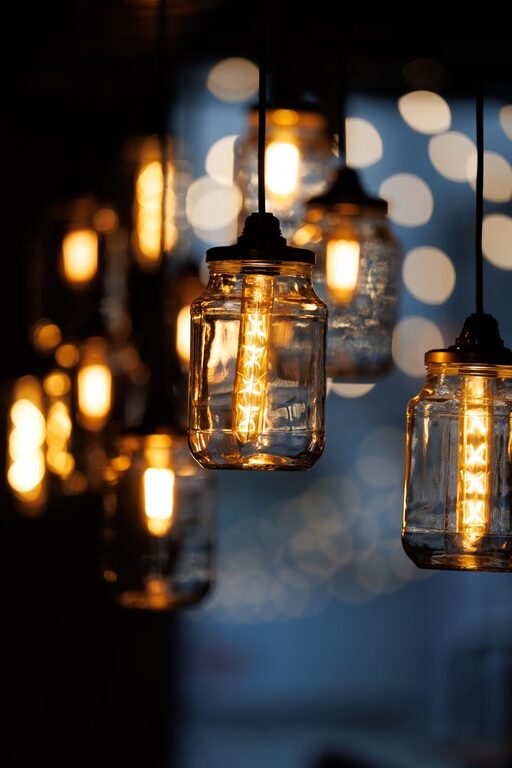
Using multiple light sources rather than relying on a single overhead fixture can brighten a room more evenly. Combine ambient lighting (ceiling lights), task lighting (table or floor lamps), and accent lighting (wall sconces or LED strips).
Select Bulbs that Mimic Natural Daylight
LED bulbs with a daylight color temperature (around 5000K to 6500K) provide a bright, white light that closely resembles natural light. They are energy-efficient and improve visibility.
Use Reflective Fixtures
Light fixtures with reflective surfaces or glass elements help spread light more effectively, increasing brightness.
4. Use Furniture and Accessories Wisely
Choose Furniture with Light Finishes
Opt for light wood, glass, or metal furniture that doesn’t absorb light. Transparent or open designs, like glass tables or open shelving, help maintain a light and airy feel.
Keep the Space Uncluttered
Too many objects can absorb light and make a room feel smaller and darker. Keep surfaces tidy and use storage solutions to minimize clutter.
Add Bright Artwork and Textiles
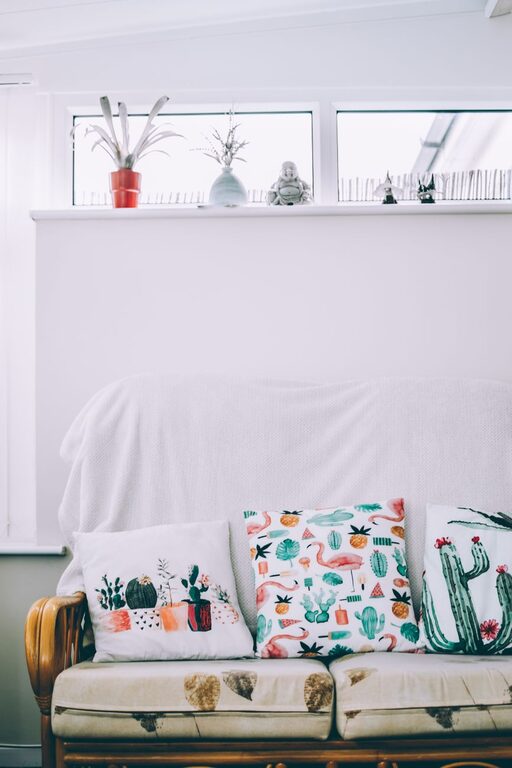
Colorful artwork or textiles in bright shades can add pops of visual interest and “lighten” the room’s mood.
5. Consider Flooring Options
Use Light-Colored Rugs
If you have dark floors, adding area rugs in light tones can brighten the space. Choose rugs with soft patterns and reflective fibers.
Opt for Lighter Flooring Materials
If planning renovations, consider installing lighter hardwood, laminate, or vinyl flooring. These materials reflect more light and visually expand the room.
6. Add Plants for Freshness and Lightness
Plants can make a space feel refreshed and lively. Choose varieties with light green leaves to enhance brightness. Place them near windows or in well-lit corners to encourage healthy growth.
7. Reflective and Metallic Accents
Incorporate decorative items with reflective or metallic finishes like silver, gold, or chrome. These materials catch and bounce light around the room, adding sparkle and brightness.
Bonus Tips:
– Keep doors open: Open doors to connect darker rooms with brighter adjacent spaces.
– Remove heavy furniture from windows: Large bulky pieces can block light flow; rearranging can help.
– Use glass or acrylic furniture: These materials let light pass through and keep the room feeling open.
—
Final Thoughts
Brightening a dark room doesn’t have to be complicated or costly. By combining natural and artificial light enhancements, light colors, reflective surfaces, and smart furniture choices, you can transform your dark space into a bright, cheerful retreat. Try mixing and matching these ideas to find what works best for your room and style preferences.
With a little creativity and effort, your dark room can become one of the most inviting and uplifting areas in your home!