
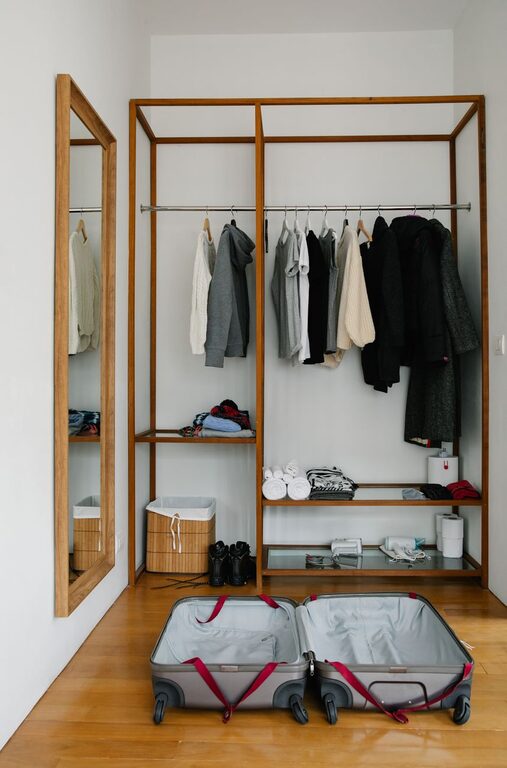
Storing seasonal clothes efficiently can make a big difference in keeping your wardrobe organized and your garments in great condition. Whether you’re putting away winter sweaters for summer or packing up summer dresses during fall, a smart storage strategy helps save space, prevents damage, and makes it easy to access what you need.
In this guide, we’ll explore practical tips and storage methods to keep your seasonal clothes tidy, fresh, and ready for use when the weather changes.
Why Proper Storage Matters
When clothes are stored incorrectly, they can suffer from wrinkles, fading, stretching, or even damage from pests and moisture. Efficient storage helps:
– Preserve the fabric quality
– Save space in your closet or dresser
– Make seasonal transitions easier
– Protect clothes from dust and bugs
Taking time to store clothes properly now means less hassle and better-looking garments later.
Preparing Your Clothes for Storage
Before packing away seasonal clothes, follow these steps:
1. Clean Everything
Wash or dry clean clothes according to their care labels. Dirt, oils, or stains can attract insects and cause damage during storage. Make sure clothes are completely dry to prevent mildew.
2. Repair Minor Damage
Check for loose buttons, small tears, or missing hooks and fix them before storing. This prevents further damage and means your clothes are ready to wear next season.
3. Sort and Declutter
Sort clothes by category (e.g., sweaters, dresses, coats) and decide if there are items you no longer wear. Donating or selling unwanted clothes reduces clutter and storage needs.
Choosing the Right Storage Containers
Selecting the right container protects your clothes and makes storing and finding them easier.
1. Clear Plastic Bins
Clear bins let you see what’s inside without opening them. Use bins with tight-fitting lids to keep out moisture and pests. Add breathable fabric bags inside for delicate items.
2. Vacuum Storage Bags
These bags reduce volume by compressing clothes and are great for bulky items like winter coats and blankets. However, avoid using vacuum bags for delicate fabrics like silk or natural fibers prone to crushing.
3. Fabric Storage Bags or Bins
Breathable fabric bags prevent moisture buildup and are ideal for wool, cashmere, and other natural fibers. These are less airtight but help clothes “breathe” during storage.
4. Hanging Garment Bags
For formal wear, dresses, or suits, use breathable garment bags and store them on sturdy hangers in a closet or wardrobe to maintain shape.
Storage Tips to Maximize Space and Protect Clothes
1. Use Cedar or Lavender to Repel Moths
Natural moth repellents like cedar blocks or lavender sachets help protect wool and other vulnerable fabrics without harsh chemicals.
2. Avoid Plastic Bags for Long-Term Storage
Plastic bags can trap moisture, leading to mildew and fabric damage. Instead, opt for breathable materials or specially designed storage containers.
3. Label Your Storage
Clearly label each container or bag with its contents and season. This saves time when searching for specific items later.
4. Store Clothes in a Cool, Dry Place
Avoid storing clothes in damp basements or hot attics. A climate-controlled closet or under-bed storage box in a room with stable temperature works best.
5. Fold Clothes Properly
Fold sweaters and knits to avoid stretching. Use acid-free tissue paper between layers to reduce creases and protect delicate fabrics.
6. Avoid Overpacking
Don’t cram clothes into bins or bags. Overpacking can cause wrinkles and damage fabric fibers.
Seasonal Storage Ideas for Different Types of Clothes
Winter Clothes
– Store bulky sweaters, coats, and scarves in vacuum-sealed bags or large plastic bins.
– Use cedar blocks or lavender to guard wool items.
– Avoid hanging heavy sweaters to prevent stretching.
Summer Clothes
– Hang delicate dresses and blouses in garment bags.
– Fold lightweight fabrics like cotton in breathable bins.
– Keep swimwear separate to avoid moisture and sand residues.
Shoes and Accessories
– Store shoes in boxes or clear shoe organizers with silica gel packets to absorb moisture.
– Wrap scarves, belts, and hats in tissue paper or store them in drawer organizers.
Maintaining Your Stored Clothes
– Check stored clothes every few months for any signs of moisture or pests.
– Air out clothes if needed to prevent musty smells.
– Rewash or refresh clothes that have been stored for a long time before wearing them again.
Final Thoughts
Efficiently storing seasonal clothes doesn’t have to be complicated. With a bit of planning and the right materials, you can keep your clothes in great shape and make switching wardrobes a breeze. Taking care of your clothes now means they’ll last longer and look better season after season.
Try these tips to create an organized, clutter-free closet that makes the most of your space and keeps your clothes fresh all year round!